
Pelvic Restoration
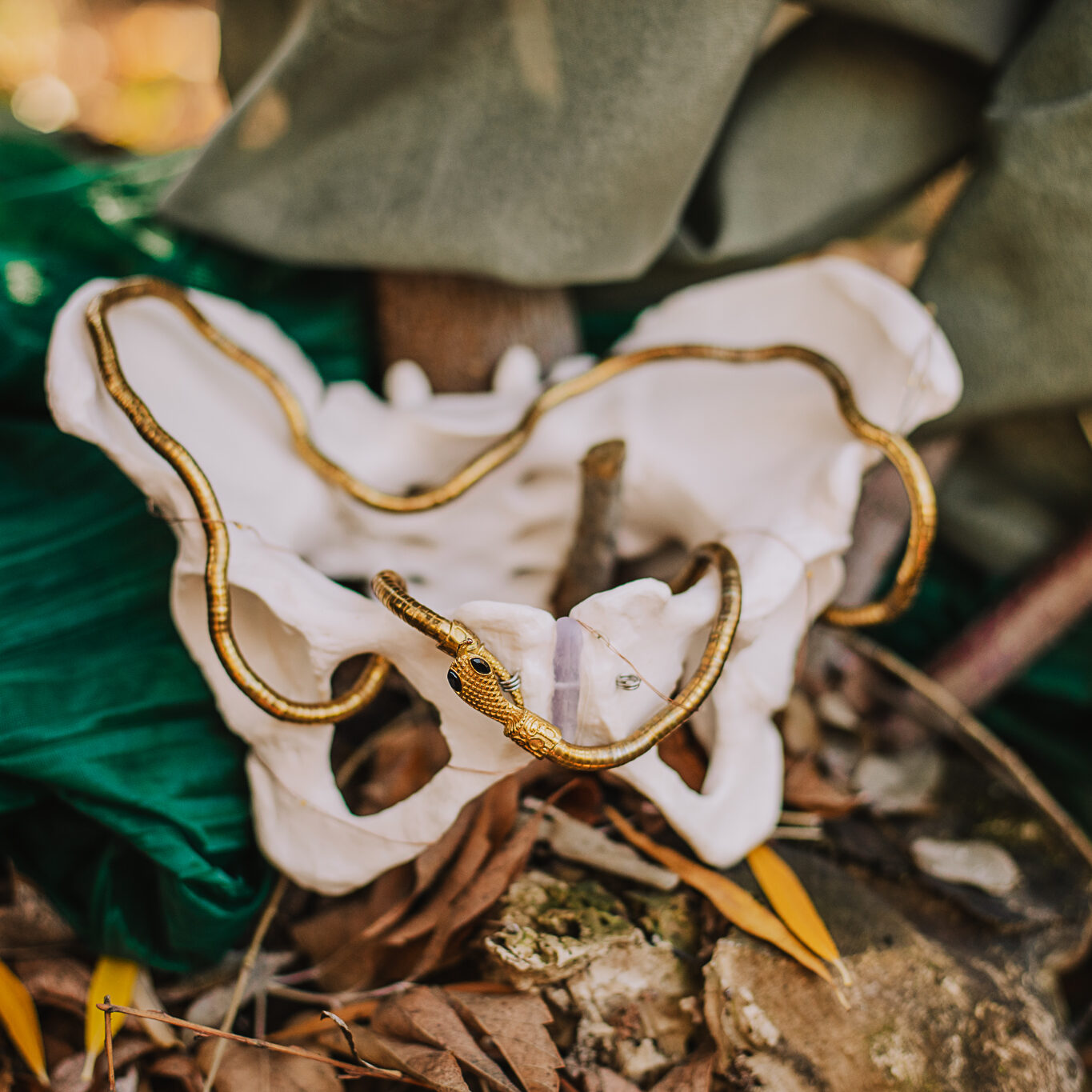
The Pelvis as a Path to Embodiment
My interest in pelvic health grew from a deep curiosity about what becomes possible when we stop treating the pelvis as simply a place where symptoms happen and begin experiencing it as a center of grounding, sensation, power, creativity, pleasure, and connection. So many of us learn to disconnect from this part of ourselves—to brace against pain, to fawn our body's signals, carry shame, or simply to numb out stop listening. For a long time this was my experience! I believe pelvic healing can be a path back into relationship with with our most present and empowered self: a slow practice of noticing, listening, and rebuilding trust. Through this work, we explore the pelvic bowl not as something that needs to be fixed, but as a place from which greater presence, autonomy, nervous-system regulation, and embodied aliveness can emerge.
Belly & Bones
A foundational treatment for nervous-system regulation, fascial listening & pelvic restoration
Your pelvis is more than a collection of bones, muscles and organs.
It is a center of movement, sensation, sexuality, elimination, creativity, grounding and power. It is also an area where many of us have learned to brace, disconnect, override or protect ourselves.
Belly & Bones is an invitation to come back into relationship with this part of yourself.
What happens in a session?
Belly & Bones is a 90-minute, deeply restorative treatment that begins with nervous-system regulation and develops into a slow exploration of the body's fascial terrain.
Through gentle abdominal massage, bone holding, subtle listening, movement and guided dialogue, we explore the relationship between the belly, pelvis, spine and cranium.
Rather than forcing the body to release, we listen for what is already there.
We may explore how your body has been shaped by:
- Posture and biomechanics
- Digestion and the internal terrain
- Stress and nervous-system patterns
- Emotional experiences and protective patterns
- Surgeries, injuries and scars
- Adhesions and restrictions in connective tissue
- Your relationship with boundaries, safety and autonomy
Your voice and consent remain central throughout the treatment.
Who might benefit?
Belly & Bones may be especially supportive if you experience:
- Pelvic pain, heaviness or tension
- Painful or difficult menstrual cycles
- Digestive issues, bloating or constipation
- Hip, low-back or sacral pain
- Sciatica
- Scar tissue or a history of abdominal/pelvic surgery
- Prolapse or a sense of pelvic instability
- Feeling disconnected from your body
- Anxiety, restlessness or chronic overwhelm
- Difficulty trusting your body or yourself
- A desire to feel more grounded, embodied and present
You don't need to have a specific pelvic diagnosis to explore this work.
Sometimes the reason to begin is simply:
"I want to feel more at home in my body."
The deeper work
Belly & Bones is part of my ongoing training in STREAM—Scar Tissue Remediation, Education & Management, a whole-system approach to working with connective tissue, trauma, nervous-system regulation, biomechanics, biochemistry and scars—both visible and unseen.
This is foundational work.
It creates a relationship with the body's language before moving toward deeper pelvic restoration.
The intention isn't to force a release or excavate your past.
It is to develop enough safety, awareness and agency that you can begin to feel what is actually happening inside you.
Because the goal isn't simply to have a more relaxed pelvis.
The goal is greater capacity—to inhabit your body with more presence, autonomy, pleasure and trust.
Belly & Bones
90 minutes | Foundational pelvic restoration
A place to slow down.
A place to listen.
A place to come home to yourself.
"The world around you is beautiful when the world within is peaceful"
Continued Study in STREAM
My work is continually evolving through study, mentorship, and direct experience. I am currently engaged in a two-year advanced training in STREAM — Scar Tissue Remediation, Education & Management with its founder, Ellen Heed, PhD. STREAM has expanded the way I understand the body, particularly the relationship between connective tissue, scars and adhesions, biomechanics, biochemistry, emotional experience, and the nervous system.
This continued study is deepening my work beyond symptom management and into a more nuanced practice of listening to the whole body. I am learning to work with the body slowly and relationally—using nervous-system regulation, informed consent, fascial listening, manual techniques, movement, and somatic awareness to support greater capacity and agency. My training is ongoing, and I believe that being a good practitioner means remaining a student: staying curious, refining my hands and my understanding, and allowing the work to continue teaching me.